Ponoto
Published on 4/17/2026, updated on 4/21/2026
Published on 4/17/2026
https://www.joinponoto.com/fr/blog/catnip-vs-catmint
Catnip vs Catmint
While both plants belong to the Nepeta genus and the mint family (Lamiaceae), catnip and catmint serve very different purposes in a landscape. One is a powerhouse of feline attraction, while the other is a refined, purple-flowering staple of perennial borders. Understanding the nuances of catnip vs catmint is essential for gardeners who want to balance aesthetic appeal with their pets' preferences.
What is Catnip (Nepeta cataria)?
Catnip is the most famous member of the genus, primarily grown for its potent chemical compound, nepetalactone. This essential oil is located in the leaves and stems, triggering a temporary euphoric reaction in roughly 70% to 80% of domestic cats.
From a botanical standpoint, catnip is often considered "weedy." It features:
- Appearance: Coarse, heart-shaped green leaves with jagged edges.
- Flowers: Small, inconspicuous white or pale lavender blooms that appear in late summer.
- Growth Habit: An upright, somewhat leggy structure that can reach 3 feet in height.
Because its primary value is chemical rather than visual, catnip is rarely used as a focal point in ornamental gardening. It tends to look unkempt after a few weeks of growth or after a cat has spent time rolling in it.
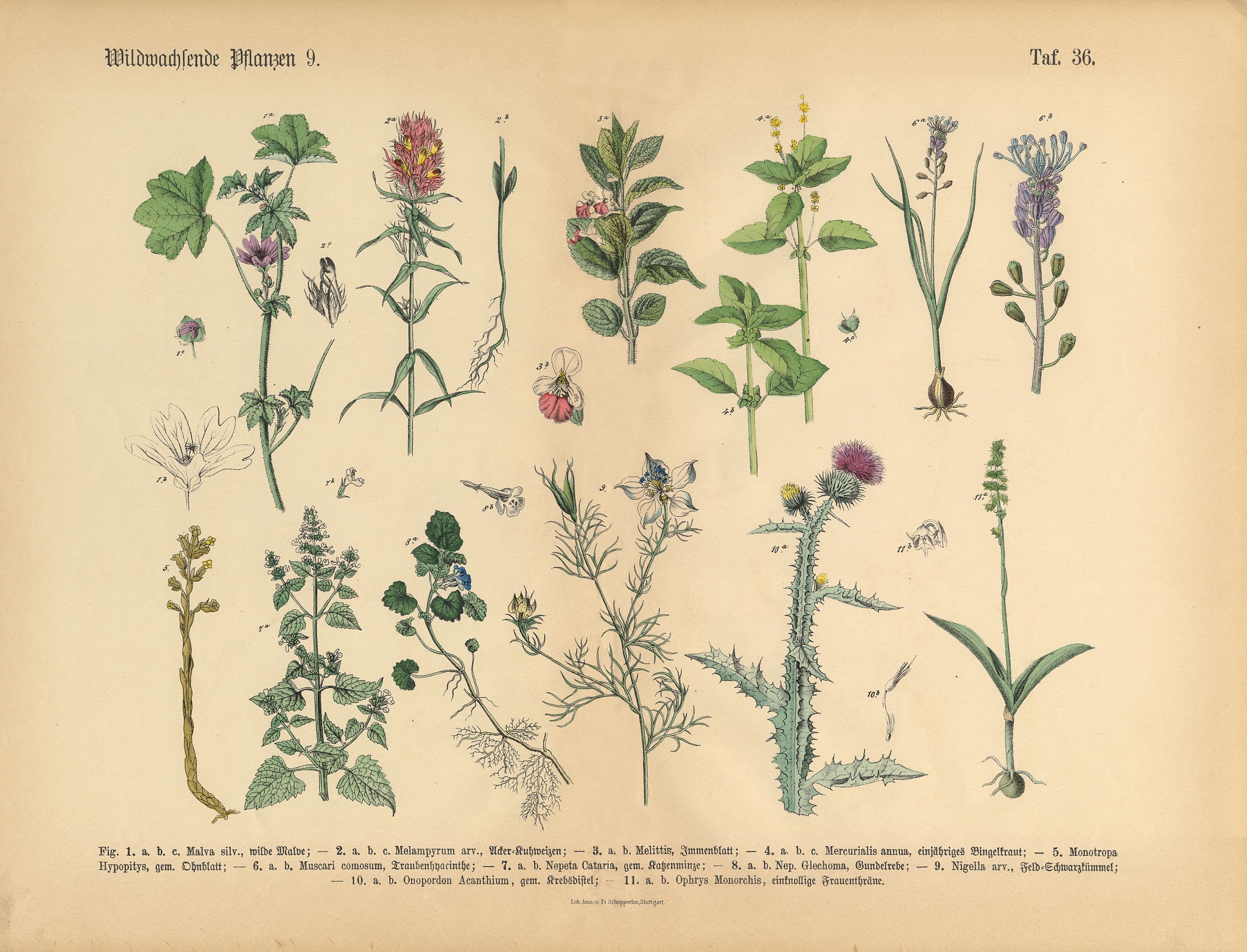
What is Catmint (Nepeta × faassenii / Nepeta mussinii)?
Catmint refers to the ornamental species and hybrids of the genus. These plants are selected for their dense, mounding habits and prolific flowering. While catmint does contain nepetalactone, the concentration is significantly lower than in catnip. Most cats will show a passing interest or ignore it entirely.
Common characteristics include:
- Appearance: Small, gray-green or silvery foliage with a soft, fuzzy texture.
- Flowers: Long-lasting spikes of vibrant lavender, blue, or purple flowers.
- Growth Habit: Neat, mounded shapes that typically stay between 12 and 18 inches tall, depending on the cultivar.
Popular varieties like 'Walker's Low' are prized for their ability to bloom from late spring through autumn, making them a favorite for pollinators and "English cottage" style gardens.
Key Differences: Catnip vs Catmint
Choosing the right plant depends on whether your priority is your cat's entertainment or your curb appeal.
| Feature | Catnip (N. cataria) | Catmint (N. x faassenii) |
|---|
| Flower Color | Dull white to pale lilac | Intense purple, blue, or lavender |
| Foliage | Bright green, jagged, and coarse | Silvery-gray, small, and soft |
| Cat Reaction | High intensity/Euphoric | Mild interest to none |
| Invasiveness | Can self-seed aggressively | Most hybrids are sterile and well-behaved |
Growth and Maintenance Requirements
Both plants are remarkably hardy and thrive in similar conditions. They prefer full sun and well-drained soil. Because they are members of the mint family, they are naturally deer-resistant and drought-tolerant once established.
Pruning for Performance
To keep catmint looking its best, gardeners often "shear" the plant by half after the first flush of flowers fades. This encourages a second round of blooms and prevents the center of the mound from flopping open. Catnip, conversely, is usually harvested by cutting the stems and hanging them to dry, which preserves the nepetalactone for year-round use.
Managing Spread
Catnip can become invasive in some regions due to its prolific seeding. If you want to prevent it from taking over your garden, harvest the flowers before they go to seed. Ornamental catmints are generally hybrids that do not produce viable seeds, making them the safer choice for contained garden designs.
Selecting the Right Plant for Your Garden
The decision between catnip vs catmint ultimately rests on the intended function of your outdoor space. If you want a dedicated "cat cafe" corner where your pets can indulge their instincts, Nepeta cataria is the clear winner. Its utilitarian appearance is a fair trade-off for the enrichment it provides to felines.
However, if you are looking for a reliable, low-maintenance perennial that provides a sea of purple color and attracts bees and butterflies, catmint is the superior choice. Its silvery foliage provides excellent contrast to green-leafed plants, and its tidy growth habit ensures the garden looks intentional throughout the season.